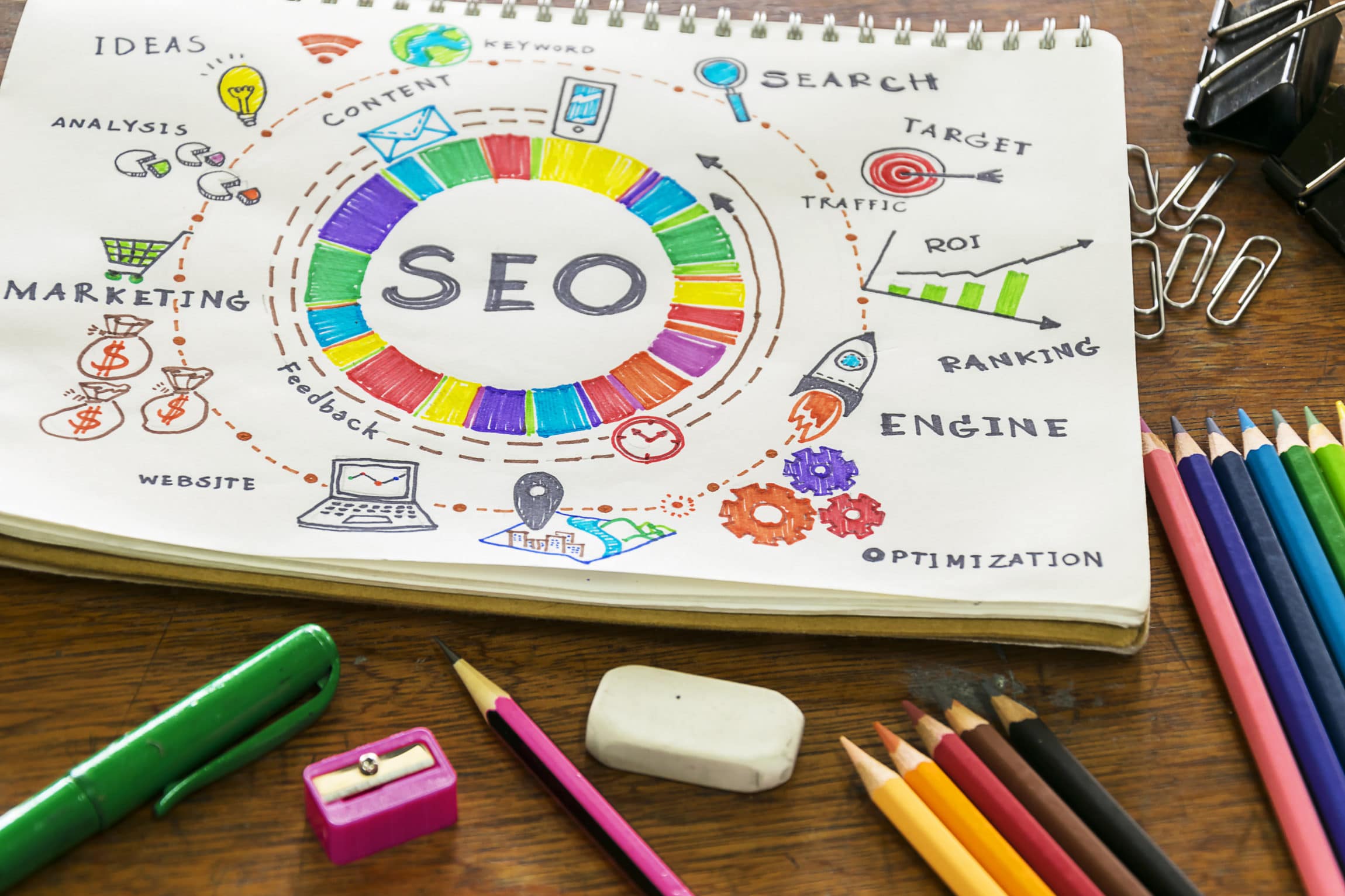
7 Outdated SEO Tactics to Avoid

SEO Tactics You Should Avoid

A strategy for search engine optimization is a crucial part of building your presence online, and there is plenty of advice floating around the internet on the dos and don’ts of SEO. Still, search engine marketing has changed significantly over the years and what worked wonderfully yesterday can appear stale and spammy today. To help you get the most out of your SEM efforts, here are 7 outdated SEO tactics that you need to avoid at all costs.

Writing for Search Engines

One of the primary goals of your content strategy should be to elevate your visibility in search engine results. In the past, this meant writing specifically to appeal to search engine crawlers. Today, this is no longer the case. Search engines have developed to the point that they also pick up on intent, so take the focus off of them and put it all on appealing to your audience.

Keyword Fouls

Unfortunately, too many businesses are still adhering to outdated keyword strategies, and it’s damaging their ability to attract and convert new customers. In 2019, you want to stay away from trying to make your content “fit” a strictly defined keyword strategy, and you want to avoid keyword stuffing. Both of these approaches feel spammy and get the thumbs down from search engines.

Purchased Links

Link building is one of the most challenging aspects of SEO, so it’s understandable that you want to take shortcuts whenever you can. Purchasing backlinks is tempting, but it’s also a strategy that can come back to haunt your SEO well into the future. Purchased backlinks not only seem dishonest, but they’re also often connected to low-quality sites – which damages your reputation and works against SEO.

Unoriginal Content

Gone are the days when you needed to publish content just for the sake of putting something out there. Trust that your audiences are looking for something unique, soaked in value and relevant on a very specific, personal level. This means staying away from topics that have been done a hundred times over and avoiding the temptation to spin another article to make it your own.

Exact Match Search Queries

Both consumer search patterns and search engine technology have changed in recent years. Fortunately, this means that you are no longer bound to the confines of trying to match search engine queries exactly with your keyword strategy. Instead, try focusing on long-tail keywords and natural language patterns.

Exact Match Domains

A while back, some businesses came up with the brilliant idea that they would match their domain to common keyword searches. For example, “topseotips.com”.  The goal is to appear at the top of search results for targeted keyword phrases.

The problem is that tactics like these appear deceptive and spammy to both search engines and audiences. Plus, it does nothing for establishing a reputation or authenticity for your business.

Going Overboard with Guest Blogging

This final outdated SEO tactics involve some advice that holds true across the board – quality wins out over quantity 100% of the time in SEO. Guest blogging is a great way of earning links and increasing visibility but too much of a good thing is detrimental to your SEO. Focus on publishing guest posts on industry relevant blogs and content platforms, and make sure you’re only sharing quality content.

Expert SEO Tactics

The world of SEO is constantly changing, but we’ve taken on the challenge of staying on top of the trends and constantly adapting to the shifts in search engine technology and consumer behaviors. We’re ready to roll up our sleeves and work to build winning SEO tactics and strategies for you. Contact us today and learn more about our SEO services.

4 SEO Ranking Factors That You Can’t Ignore in 2019

Search engine optimization is always a bit of a puzzle. Consider for instance, that Google has over 200 ranking factors that they use in their algorithm and that they switch them up hundreds of times a year. True, most of these are minor changes, but when you’re filtering 3.5 billion searches a day, the criteria you use for producing the most relevant search results needs to have a laser sharp focus. Improving your SEO ranking is achieveable, if you know where to start.

Critical SEO Ranking Factors in 2019

The good news here is that you don’t need to worry about every single ranking factor. Some of them are such minor players that they hardly matter at all. Instead of giving yourself a headache trying to piece together an unsolvable puzzle, here are four SEO ranking factors that you’ll want to focus on specifically.

Domain Security

One of the reasons for Google’s success as a search engine giant is that they’ve built a reputation of trust. When someone initiates a Google search, they know they’re going to be presented with relevant, trustworthy results. The quality and security of your website plays directly into this reputation, so Google isn’t going to give you a priority rank when you haven’t taken the time to secure your domain.

To drive home the point, search engine users can easily spot whether or not your website is secure, simply by looking in the address bar. If you don’t have an SSL certificate for your website, getting one should priority number one for 2019.

Loading page browser in flat style vector illustration

Speed

Last year, Google took major leaps in establishing the importance of speed as a ranking factor. For starters, they made mobile speed an official ranking factor – meaning that sites that weren’t previously optimized for mobile were going to take a hit.

Secondly, they went full force with mobile first indexing. While mobile first indexing isn’t just about how quickly your site loads on mobile devices, speed is a critical component in why mobile sites get priority treatment.

Backlinks

Backlinks are a component of SEM that has been important for years, and this isn’t changing in 2019. On the surface, backlinks are essential because they generate a steady stream of traffic back to your website. If we dig a little deeper, we discover that backlinks help Google to establish whether or not you’re a website that reputable, trustworthy and authoritative in your industry. These are factors that play into UX, which is one of the most important elements of SEO.

Quality Content

Content marketing is a vehicle that delivers many of the elements of SEO. This doesn’t mean that all content is created equal. Search engines are going to place a priority on websites that provide quality, value-rich content.

Illustration depicting various forms of website content.

For instance, if you’re in the fitness industry and publish an article about yoga poses that has already been done dozens of times, it’s not going to perform for SEO the same way a piece on just one or two of those poses, that really digs deep into the practice and benefits, will. Longer, specialized content helps to establish your authority in subjects relevant to your industry.

SEO Ranking Experts

We’re excited about the direction SEO is going in 2019. If you would like to know how to bring your SEM strategy into the New Year, we offer the SEO services that will amplify your online presence and ultimately improve your SEO ranking. Contact us today and speak to one of our digital marketing professionals today.

Why UX Is the Key To Unlocking SEO in 2019

As we’re making our way through the early weeks of 2019, we can’t help but stop and think about what the coming year will bring for digital marketing. Last year brought about noticeable changes in how consumers engage with businesses online and what elements of their user experience (UX) mattered most in forming relationships.

Illustrated graphic depicting tools that create a good UX.

The Significance of User Experience

As many businesses are approaching the new year with a renewed perspective and a fresh approach to SEO, it’s important to look at one of the most crucial components of SEM – the user experience. Is UX still vital to SEO and why is key for digital success in 2019?

The Google Factor

Search engine optimization has changed drastically over the years. Back in the early days of SEO, the focus was entirely on getting a search engine’s attention and nothing else. This tactic lead to some practices that weren’t only on the wrong side of being shady but also detracted from the overall quality of the user experience. It didn’t take long for search engines to catch on to their user’s discontent.

Fast forward to 2019, and search engines put a lot more weight on your ability to provide quality and value to their users than they do about your ability to stuff a bunch of keywords into a piece of content. In fact, while Google remains fairly elusive about their algorithm, many of the most important ranking factors that we do know about are focused on UX in one way or another.

For example, Google pays attention to metrics like your speed, bounce rates and how long visitors are lingering on your site. Details like these paint the story of how well you’re meeting your visitor’s UX expectations.

Search Engines Are Becoming Smarter

The time-honored elements of effective SEM aren’t going anywhere. Keyword optimization, backlinks and website architecture are still critical for SEO, but search engines have become significantly more sophisticated in recent years, and it’s no longer necessary to always spell things out for them.

What this means is that while you need some of the basics of SEO for search engines to find and crawl your site, they’ve also become more sensitive to intent and relevancy and can pick up on them through minor cues. This update allows businesses to focus more on providing an optimized UX for their website visitors rather than worrying about appealing to search engines. Essentially, if you’ve created a website and content that your audience reacts positively to, this is going to be looked upon very favorably in the eyes of search engines.

UX Helps You Stand Out

Let’s face it; the digital landscape is becoming more crowded by the second. This growth translates to a ton of competition that you need to elbow your way through to make it to the top of search results. With so many businesses taking the same standard approach to SEO, it’s going to be an optimized UX that helps you stand out.

UX Design Experts

Would you like to know more about how to provide an exceptional UX for your audience? At Double Up Digital, we offer the SEO services that will expand your brand’s presence online and earn you a reputation of excellence. Contact us today to learn more.

The Secret to Writing a High-Performance SEO Blog

As a business with goals set on growth, you probably already have an idea of the importance of search engine optimization. What you might not know about SEO is that to be successful, it needs to be infused throughout every aspect of your digital presence, with one of the most important focuses being on the content you create. An excellent way to create and syndicate content is through the use of an SEO blog.

Knowing how to optimize your SEO blog posts so that they appeal to search engines is key to your digital success. Every business wants to accomplish this, but in the world of search engine marketing, the rules can change in an instant and what worked well last year might not build much traction today.

3 Successful Strategies in an SEO Blog Post

The question we have to answer is what does it mean to write the perfect SEO blog post in 2019 and beyond? The answer looks a little different than it has in the past, but the strategies are easily adaptable to any business. Here is what you need to know.

4 individuals sitting in a row. Illustration of a search bar over laying them in the image.

Match Your Content to User Search

Of course, keywords are critical, but how you’re using them carries just as much weight. As search engines have become sophisticated to the point that they’re able to begin picking up on the intent of your content, it has become more necessary than ever that you’re writing with the purpose of the user’s search in mind.

Matching search intent requires taking into consideration long tail keywords and the language patterns of voice search that are important for local SEO. You can also scratch the long list of keywords in favor of one that’s shorter and more concise. If you’ve gone deep into a topic to provide value to your audience, using a limited but more targeted keyword strategy will improve your results.

Speaking of Intent…

You don’t have to exhaust yourself finding the exact keyword matches for your blog posts. For instance, a dental practice doesn’t need to decide between “dental service” or “dental services,” in fact with the ability to pick up intent you can take a few more liberties with your keyword strategy.

The point is that you don’t need to stuff your blog posts with keywords that are so similar you can barely tell them apart, and you certainly don’t need to create separate content for keywords that are only marginally different from each other but share the same intent. Stop focusing on the micro-details of your keyword strategy and keep the focus on providing value for your audience.

Woman searching on mobile device.

Make It Mobile Friendly

Today, appealing to the mobile consumer is critical, especially from an SEO perspective. The first step is to make sure that your SEO blogs are published on a website built with responsive web design. The second step is to structure your posts to be easily readable on mobile devices.

While the mobile consumer might seem to have a shorter attention span, you can still provide long-form content. Just keep the paragraphs short, use bullet points when appropriate and consider local keywords in your title tag and headers.

SEO Blog Experts

How does your content perform from an SEO standpoint? We’re the team of SEM experts with SEO services that can help you build your digital presence. Contact Double Up Digital to learn more about how we can improve your content strategy and digital marketing success.

How to Identify and Fix Poor SEO Content

Quality content is crucial to the health of your SEO Content strategy. Great content can increase your visibility and provide the type of value to your audience that search engines love to reward. Because of its importance to SEO, we’re continually hearing about how content is king, and without it, you’re never going to gain any traction with your search engine marketing efforts.

While we can’t overstate the value of content, it’s important to understand that not all of it is created equal. Google is known for penalizing sites that push out massive amounts of weak, poorly written content. However, there are a lot of businesses out there trying their best with content marketing and still not seeing the results they expected. There’s a decent chance that thin content is the culprit.

What is Poor SEO Content?

Poor SEO content lacks any real value to your audience. It might sound harsh, primarily if you’ve invested time in a keyword strategy and researching the topics that your competitors are already writing about. Unfortunately, it can be efforts just like these that result in producing content that doesn’t quite hit the mark regarding quality and value.

woman reading blog online on computer

For instance, that keyword strategy can work against you if it’s the only thing you’re focused on and creating content that your competitors are already covering – even if it is getting lots of attention – doesn’t do much for helping you stand out.

When search engines crawl your content, they’re not only looking for specific signals that will boost your results; they’re also looking for anything that could indicate that it’s not going to provide the quality or relevancy that their users are expecting. Examples of poor SEO content that can damage your SEM efforts include:

  • Content that is plagiarized or obviously spun
  • Content that barely scratches the surface of the topic
  • Content that offers basic coverage on a topic that has already been exhausted
  • Content that lacks any real point or purpose
  • Content that with a low word count
  • Content that is poorly written
  • Content that is oversaturated with keywords
  • Content that doesn’t inform or provide value to your audience
"Awesome Content" in text over an opened book and different marketing and web related icons on white background

Transforming Poot Content into an SEO Powerhouse

Fortunately, it isn’t that difficult to take underperforming content and transform it into a power player of your digital strategy. The first step is taking a look at your underperforming content and comparing it against the above list to see where your weak points are. Chances are you won’t need a complete content overhaul, but instead a strategy for taking what you have and making it more valuable and “meatier.

Take short pieces and go more in-depth with them. Bring something new to the content table that your audience hasn’t already read a dozen times before. You can also use this strategy to optimize your content for local SEO by talking about why the topic matters for your local audience. For example, an auto insurance provider could take a short piece on theft protection and talk about local theft statistics and give tips for staying safe within the community.

SEO Content Experts

The key to transforming poor SEO content is to keep the focus on what’s relevant to your audience. If you want to know more about creating a winning content strategy, we can help. Contact us today to learn more about our range of SEO services and other digital marketing efforts that can improve your success.

3 SEO Tactics That Provide an Instant Traffic Boost in Website Traffic

Practically every business today is online, and you would be hard-pressed to find a successful one that didn’t have a great website and a strategic approach to search engine marketing. This makes perfect sense – your customers are online, so you should be also. If there is a problem with this, it’s that the internet has become so crowded that it’s difficult to stand out, even when you’re following SEO best practices to the letter.

If you want to see more traffic, leads and conversions heading in your direction, it might be time to move past the basics of search engine optimization and look at a few advanced tactics that are generating better, faster results for businesses online.

SEO Tactics to Boost Traffic

There are a tremendous number of online searches happening every day, and it’s estimated that 70-80% of search engine users completely ignore paid ads and focus only on organic results. Showing up at the top of those organic results is crucial for increasing visibility and traffic. Here are 3 advanced search engine optimization tactics that will put you there.

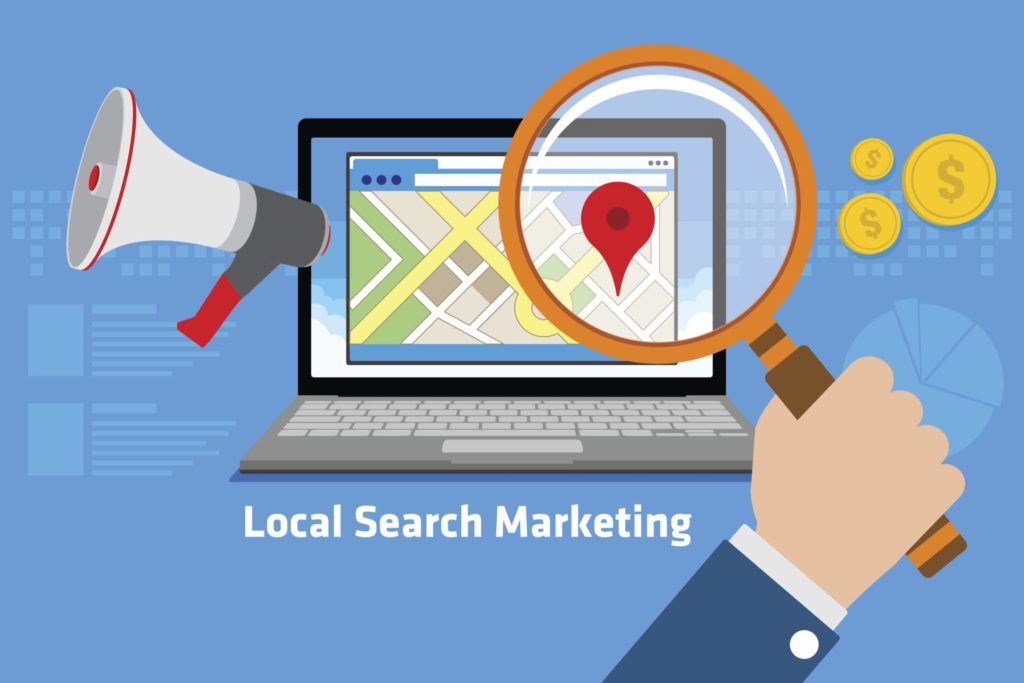
Illustration portraying local search engine optimization.

Local SEO to Reach a Targeted Audience

When you want to boost exposure, it’s important to get yourself out there on any platform where you’ll have the chance to engage with the most critical segment of your audience. This usually involves social media, email campaigns, and other outreach tactics. These are great, but if you want to attract the audience that’s most likely to boost your traffic today, local SEO is a must.

You might already be doing a few local search engine optimization basics, like including a Google map on your website or creating content that’s of interest to a local audience. There are a few more tactics that can further increase visibility and get people moving to your website or door.

For instance, taking the time to optimize a Google My Business page and then making sure you have consistent listings across multiple directories. Additionally, using structured data is a great way of making it easier for people to find you and engage with your brand while easily providing them with the information they’re looking for.

Demonstrate Expertise with Content

The days of content being used only as vehicle for keywords and links are long gone. If your content isn’t working to contribute value to your audience and build a reputation of expertise for your brand, then it isn’t performing at maximum capacity.

Take a look at your current content strategy. Are you going deep into topics, answering the questions that hundreds of other blogs haven’t already covered? Don’t shy away from longer form content that provides the space to demonstrate your expertise and consider high impact video to deliver your message.

Update Your Web Design

Web design can be a long and laborious process, so once you’ve got a site that you love it’s easy to breathe a sigh of relief and call it a day. The only problem is that web design is a significant aspect of SEM and falling behind on trends in user experience can affect how much traffic comes your way and how long visitors stay.

Don’t neglect regular site checkups and updates as necessary. Pay particular attention to mobile responsiveness, speed, navigation, and other key UX factors.

SEO Experts

Are you ready to adopt an approach to search engine optimization that will have you leaping ahead of the competition in organic search? We have the SEO services that will help. Contact Double Up Digital today to learn more.

How You Can Achieve SEO Success in the Face of Google’s Algorithm Updates

The world of SEO is ever changing. Just when you think you’ve got the details ironed out and every bit of your digital presence optimized, along comes a shake-up in search engine algorithms and suddenly everything you thought you knew about SEO is hanging by a thread.

It all seems a little precarious, but there’s no reason to get too worked up about it because, honestly, this happens all the time. While you might only hear about Google’s significant algorithm changes, like their Core update that went live this past summer, the truth is they adapt their algorithm pretty much continually throughout the year.

So how should your business react and adapt to these almost constant algorithm changes? Here’s what you need to know about search engine optimization and staying competitive in today’s digital landscape.

Google’s Core Update Gets to the Heart of the Issue

If there was one thing that the most recent Core algorithm update accomplished, it was solidifying the theory that Google is all about promoting an experience-first platform. Yesterday’s SEO was all about appealing to the robotic mechanics of Google and other search engines, but this isn’t the case anymore. Today, search engine marketing is pretty much entirely about the internet user and their experience.

Google’s purpose with the update was primarily to improve the relevancy and quality of the search results that are placed in front of their users. This update means that quality and intent is everything for ranking and visibility, and according to at least one article about the update, Google says that there’s virtually nothing you can do to “fix” your website, other than to focus on quality and building authority.

To put it another way, it’s all about content and user experience.

Content. Key and a note on a white background

Establishing Authority

While there’s always been some mystery and infinite complexity surrounding Google’s algorithm, here’s what we know about the most recent changes – the search engine giant is strongly favoring sites that supply a level of expertise and authority while instilling trustworthiness in site visitors. These have been coined the “EAT” (expertise, authoritativeness, and trustworthiness) guidelines.

Taking this into account means that if businesses want to rank now and into the future, they need to do everything they can to supply their audience with quality website content that establishes their unique authority in the industry. From a content creation perspective, this involves going deeper into relevant topics that haven’t been covered to death by your competitors and making sure that what you’re putting out there is directly aligned with your customer’s needs.

User Experience and Comfort Factors Reign

Google wants satisfied users that continue to return to their search engine day after day. The shortest path to achieving this goal is by supplying its users with nothing less than the highest quality options. If your website fails to deliver the basics of user experience, chances are you’ll get a thumbs down from Google.

For your business, this means paying extra close attention to the usability and comfort factors of your web design. Make sure things like load speed, easy navigation, and responsive design are at the top of your priority list. These details are especially important for businesses looking to tap into their community market through local SEO.

There’s no reason to be intimidated by Google’s algorithm updates, or let trepidation get in the way of your success. We have the SEO services you need, and we’re here to help. Contact Double Up Digital today to learn more and request a free audit of your current SEO campaign.

Understanding Structured Data and Why It’s Important for SEO

You’ve been going all in on search engine optimization. You’re knocking content strategy and creation out of the park, have mastered the notoriously tricky task of link building and have done everything that you know of to optimize each one of your web pages. Just when you think you’ve left no stone unturned, along comes an SEO element that you’re not too familiar with…Structured Data.

As search engines become more sophisticated, and the amount of data that can be accessed online grows each every day, structured data has become essential for gaining visibility and ranking in search results. If optimizing structured data is a relatively new concept for you, here are a few key points to get you started.

First, What Is Structured Data?

In the simplest terms, structured data is basically little snippets of information that helps search engines determine what your web pages are all about. Believe it or not, as sophisticated and complex as Google’s algorithms have become, they still need some help from you. Structured data can make all the difference in establishing relevance in search results.

Structured data appears as those extra snippets of information that show up next to a website’s description in search results. When optimized for search engine marketing, structured data features information that’s highly relevant to the user’s search inquiry – think along the lines of hours of operation, pricing and average review rating that might appear next to a restaurant listing.

Why It’s Important

If we want to get right down to it, structured data tells search engines what you’re about, which instantly boosts your potential for a priority ranking. Considering that Google is so highly focused on providing the best experience and the best results for its users, anything that brings your brand to the forefront is an SEO bonus.

From the perspective of a search engine user, structured data makes your business easy to connect with. In many cases, structured data eliminates the immediate need to click on a listing but encourages exploration because it grabs the internet user’s attention.

Using the restaurant example above, the person who initiates the search doesn’t need to click on the page to find out the crucial details, but they’ve also been given enough information that they’ll likely click to in hopes of finding a menu or to check out more images.

Optimizing Structured Data

Unfortunately, there isn’t an easy form to fill out or a button to push that optimizes structured data. Google pretty much crawls through and pulls up what it can find. There are things you can do on your end that make this easier, including making sure that your backend code contains content signals that will catch Google’s attention.

Elements of local SEO, like bringing attention to content that features maps, product descriptions, relevant content, special offers and reviews is an excellent start to your strategy, but at least a fundamental understanding of HTML coding comes in handy for getting your content featured.

This aspect of SEO is growing more important for search engine optimization, and we’d love to tell you more about it. If you’re ready to optimize your digital presence, we offer the SEO services that will get the job done. Contact Double Up Digital today to learn more and receive a free SEO audit of your current campaign.


SEO Best Practices for Content Strategy

As a content writer and manager, my day-to-day operations frequently include crafting content as well as editing, optimizing, and publishing different forms of website copy across various digital platforms. With so many different projects on my desk at a given time, it’s crucial that every type of SEO content I work on receive the same detailed review process ensuring proper optimization for google rankings. To maintain an organized and productive operation, I’ve found that these SEO best practices for content strategy are critical for my success. Please take a look at these SEO tips and tools and see how I’ve implemented them in my daily work routine.

SEO Best Practices for Content Strategy Every Writer Should Follow

With so much content available in regards to SEO best practices and tools for proper optimization, it is easy to become overwhelmed. By spending adequate time developing a process that works for you and incorporating the appropriate methods and tools, you are making your job as a copywriter much easier. Consider these SEO tools and techniques for your content strategy and your results will improve.

Utilize SEO Tools

There are numerous free SEO tools available online that will improve your content strategy. These are a couple of my favorites.

Google Keyword Planner

Perhaps the most vital SEO tool for content writers is the Google Keyword Planner. This free tool offers insight to search volume trends and the competition associated with specific keywords and phrases. By utilizing this kind of data, you can craft your content strategy around topics that you know are being searched. This data is crucial to generating relevant content and improves your chances of ranking for a particular keyword.

Yoast SEO Content Tool

This plugin provides a grading system for your content in terms of being “SEO friendly.” When you work within the Yoast SEO Content Tool, you will automatically receive suggestions that will help you improve your SEO score. With so many factors that make up quality content for SEO, this tool provides insight that is regularly overlooked.

Co-Schedule Headline Analyzer

Headlines are crucial. In most cases, your headline is the decision maker on whether or not a user will choose to view your content. By understanding the metrics behind a successful topic, you’re putting yourself in a better position for maximum visibility. The Co-Schedule Headline Analyzer will grade your headlines and provide suggestions for improvement.

Calendar Template

With your writing and metric tools in place, being organized should be your next priority. Whether you are a freelance writer or you are a content strategist at an agency, remaining organized is essential for client relationships and publishing content on a regular basis. Find a template that is easy to share with your client and stick to it!

Avoid SEO Black Hat Methods

SEO Black Hat Methods, sometimes referred to as spamdexing, refers to the manipulation of search engine indexes for better ranking. Google continues to improve the way that it interprets content and its recent updates make it much easier to recognize these tactics. Trying to cheat your way to the top will result in negative rankings and can even get you eliminated from search results entirely. For a comprehensive understanding of these highly-frowned upon techniques, please visit here.

Consult a Digital Marketing Agency for a Free SEO Audit & Analysis

Developing a content strategy that will improve your search engine rankings takes patience and a professional understanding of the digital marketing world. Though there are numerous SEO tools available for optimizing your content, consulting a digital marketing agency can help you identify areas of your strategy that can be improved. Our team of expert marketers will help ensure that your content is fully optimized for maximum user-engagement, turning you into a thought leader in your industry. Contact us today for a free content strategy audit.

3 Secrets Behind High-Performance SEO Content

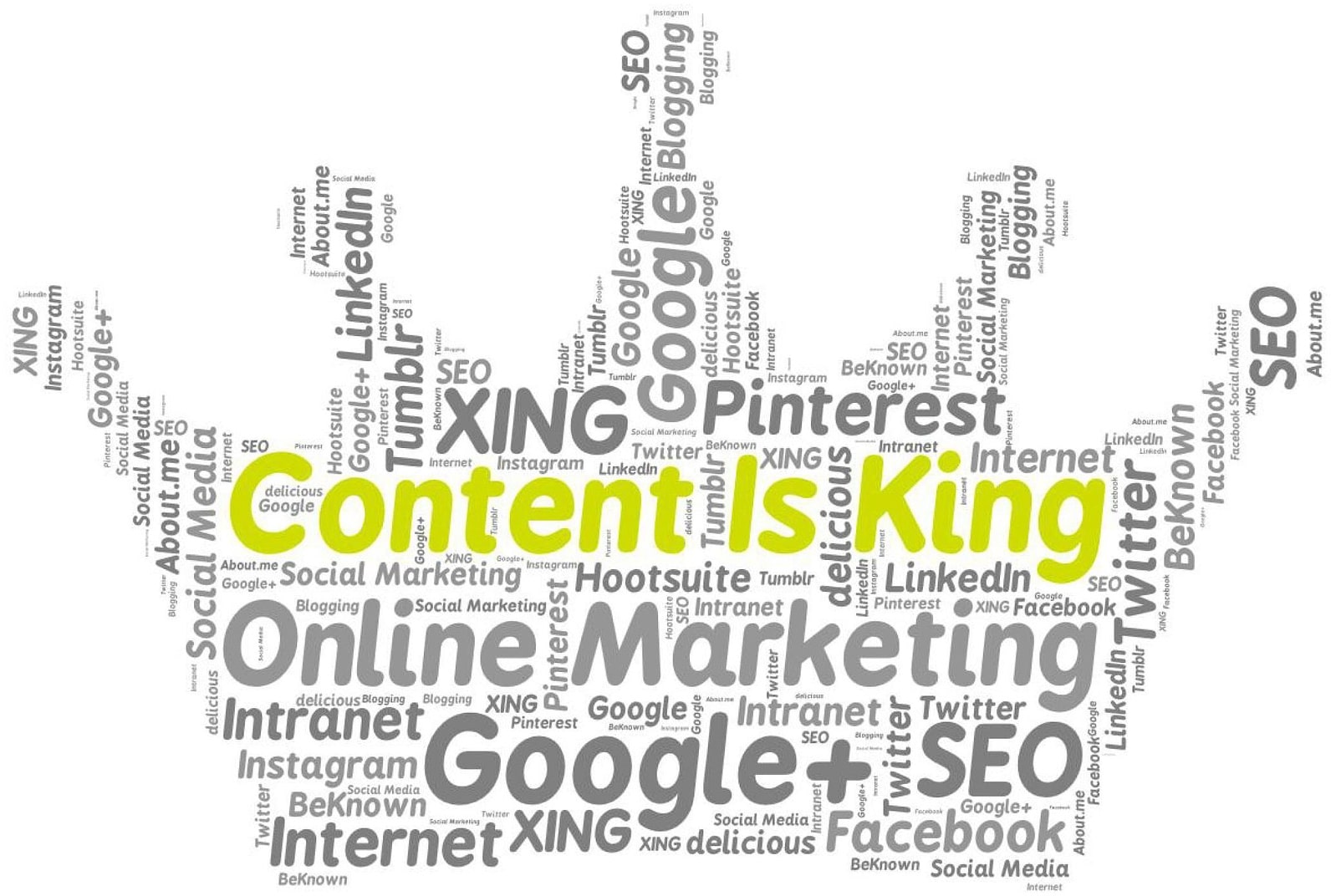
There’s a reason that you always hear that content is king. It’s arguably the single most valuable tool for delivering your brand message and gaining visibility in an increasingly crowded digital universe. This significance is why when businesses focus in on SEO, content is one of the first areas they invest their resources. Some campaigns are rewarded with great results while others not so much. What makes the difference between content that’s a stellar performer and content that flatlines? Chances are it’s related to not understanding how content and SEO have changed in 2018.

Updating Your SEO Strategy

It wasn’t that long ago that Google’s Search Quality Senior Strategist declared that high-quality content and link building were the two most essential signals for priority ranking in search results. This metric hasn’t changed, but the way content affects SEO has.

How do businesses today make sure that content maintains its reign as king of their search engine marketing? Here’s what you need to know about crafting the perfect content to aid your SEO campaign.

Google Isn’t Your Audience

Back a decade or so ago, creating content optimized for SEO was all about keywords. The goal was to fill your content with the keywords that made Google stand up and take notice regardless of the reaction from your audience. The point was to gain visibility and keywords provided the tools to do it.

Fast forward to today and keywords are still relevant, but what matters, even more, is creating content that your audience finds irresistible. It’s time to stop producing content for search engines and start building it for the audience that truly matters.

Just look at the potentially far-reaching effects of audience-centered content. First, search engines have evolved to the point that they can pick up on context and are no longer reliant entirely on keywords. When a user enters a query, the search engine looks for content that matches their need, not just the phrase they entered. If you’ve created content that fills that need, not only have you made Google happy but also your audience. They’re more likely to share your content and view you as an authority in your industry.

Create Content with Purpose

In a way, this circles back to the first point, but content needs a purpose. This requirement means that to create compelling content you need to understand your audience and what they desire. What are their questions and pain points? What lights a fire under them and gets them motivated? Know your audience, pick a topic and go deep with it.

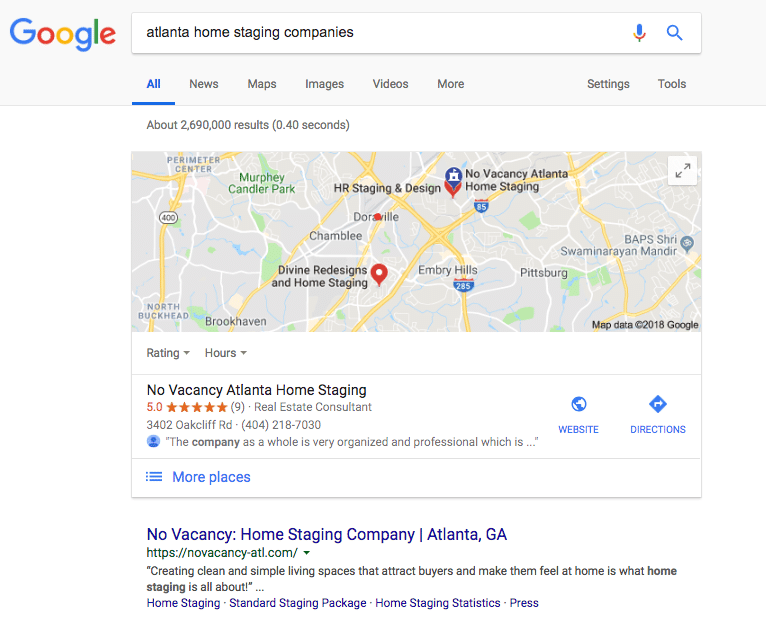
For example, a piece of content that addresses a need that’s very specific to your geographical location can be great for local SEO, especially if contains relevant long tail keywords.

No Vacancy is a Double Up Digital Client

SEO Requires Frequency and Longevity

Frequency is a big deal when it comes to optimizing SEO. You want to produce content regularly enough that you keep your audience interested, especially if you’re sharing on social media. However, you don’t want to rush and produce watered down content that lacks value just for the sake of getting it out there. There’s a sweet spot for your business, and you need to find it.

Secondly, it can take months for a piece of content to gain enough traction to earn priority ranking, so try to keep this in mind when creating it. Go for quality evergreen pieces that can withstand a little waiting period before they elevate you to the top.

Consult an SEO Company

Is your content designed with optimal SEM in mind? We have the SEO services that can launch your brand into the future. Schedule a meeting with our experts today to discover how great content can impact your SEO Campaign.