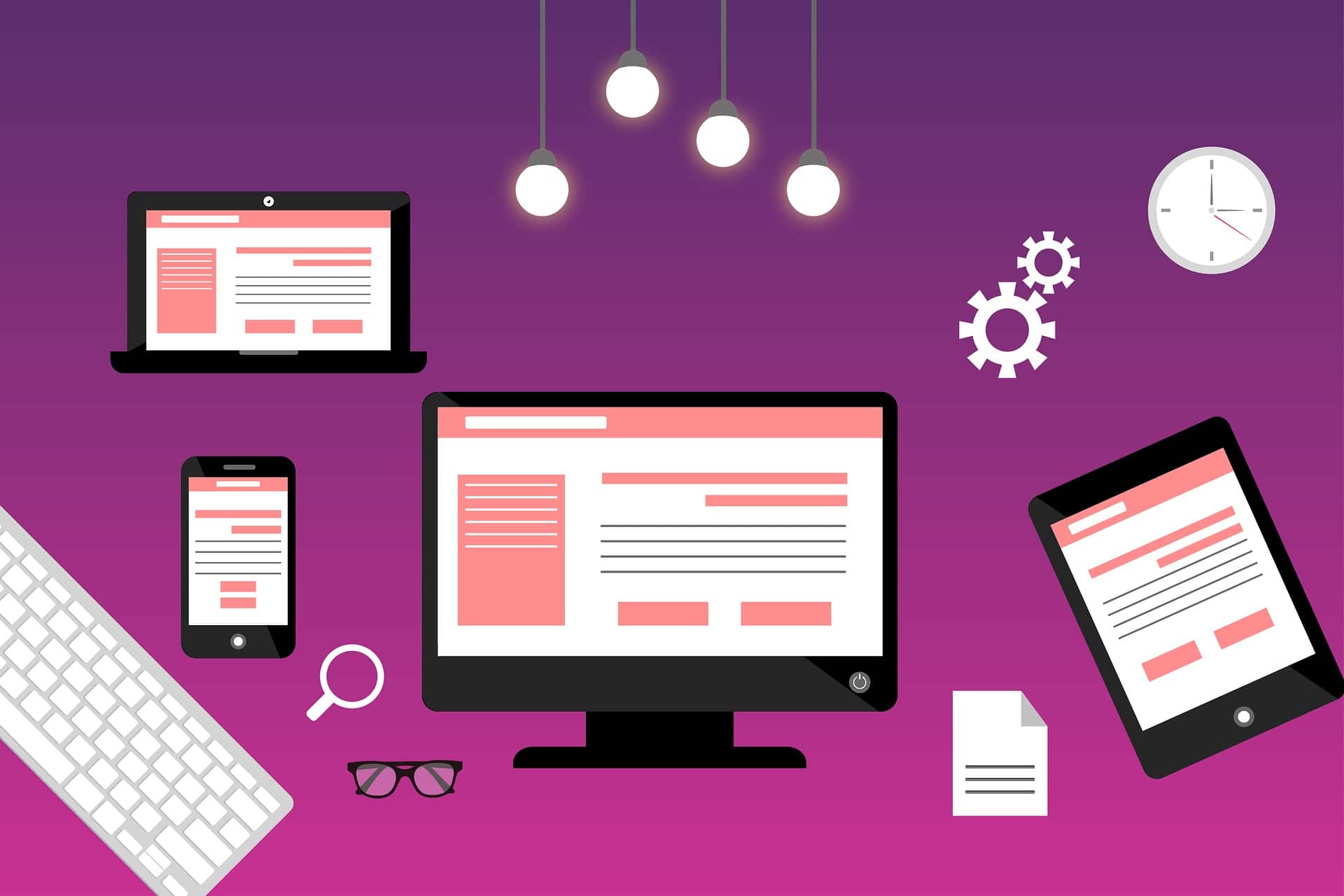
Why Responsive Web Design Is Increasingly Important in 2018

The latest reports say that more than 4 billion people are now online and just for reference, that number represents well over half of the world’s population. This statistic illustrates how rapidly we are moving into the age of complete digital connectivity. It also means that as a business, you need to have a clearly defined strategy for connecting with your audience online and one of the most important tools you can have in doing so is responsive web design.

At this point, the concept of responsive design isn’t exactly new but with the recent Google algorithm changes, having a responsive website design has become more critical than ever. Let’s talk for a minute about what responsive web design is and why it’s increasingly important for your business.

What Is Responsive Web Design?

Back before everyone had a smartphone in their hand, businesses were focused on creating websites that looked great and performed on desktop and laptop screens. Then as mobile devices began to gain popularity, users struggled with sites that we slow to load, challenging to read and nearly impossible to navigate. This difficulty caused significant frustration, and smart businesses began to adapt by creating sites designed for the mobile user.

The popularity of mobile devices exploded and soon having a mobile responsive website was a necessity, but today the focus on mobile alone isn’t enough. Consumers are using a variety of devices to access your, and they’re expecting a seamless experience across all of them.
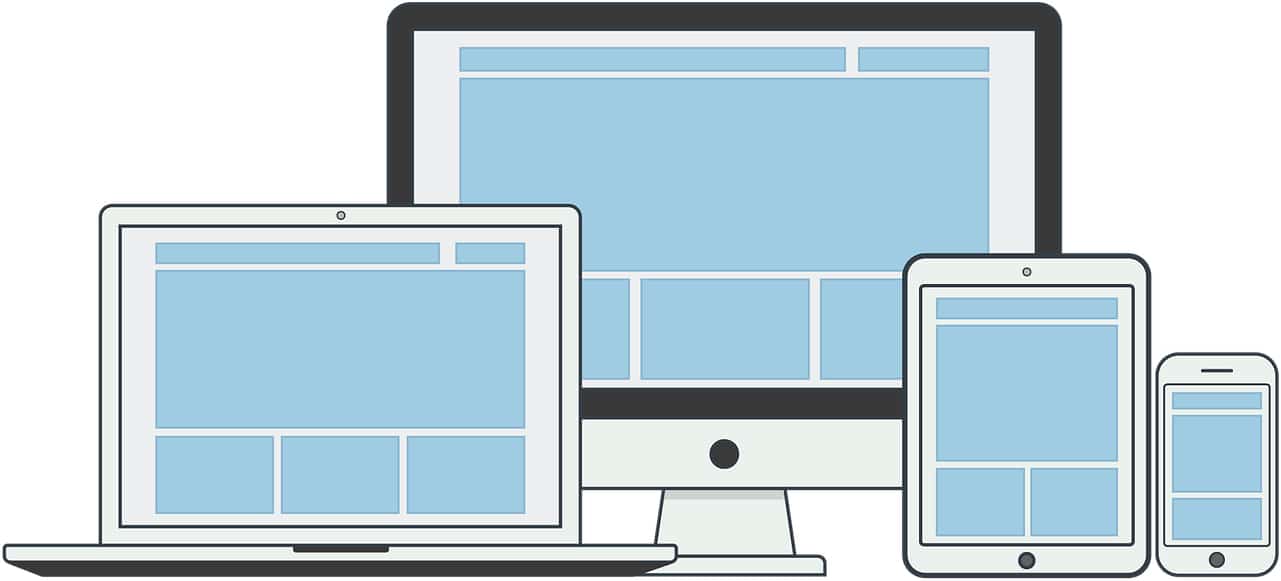
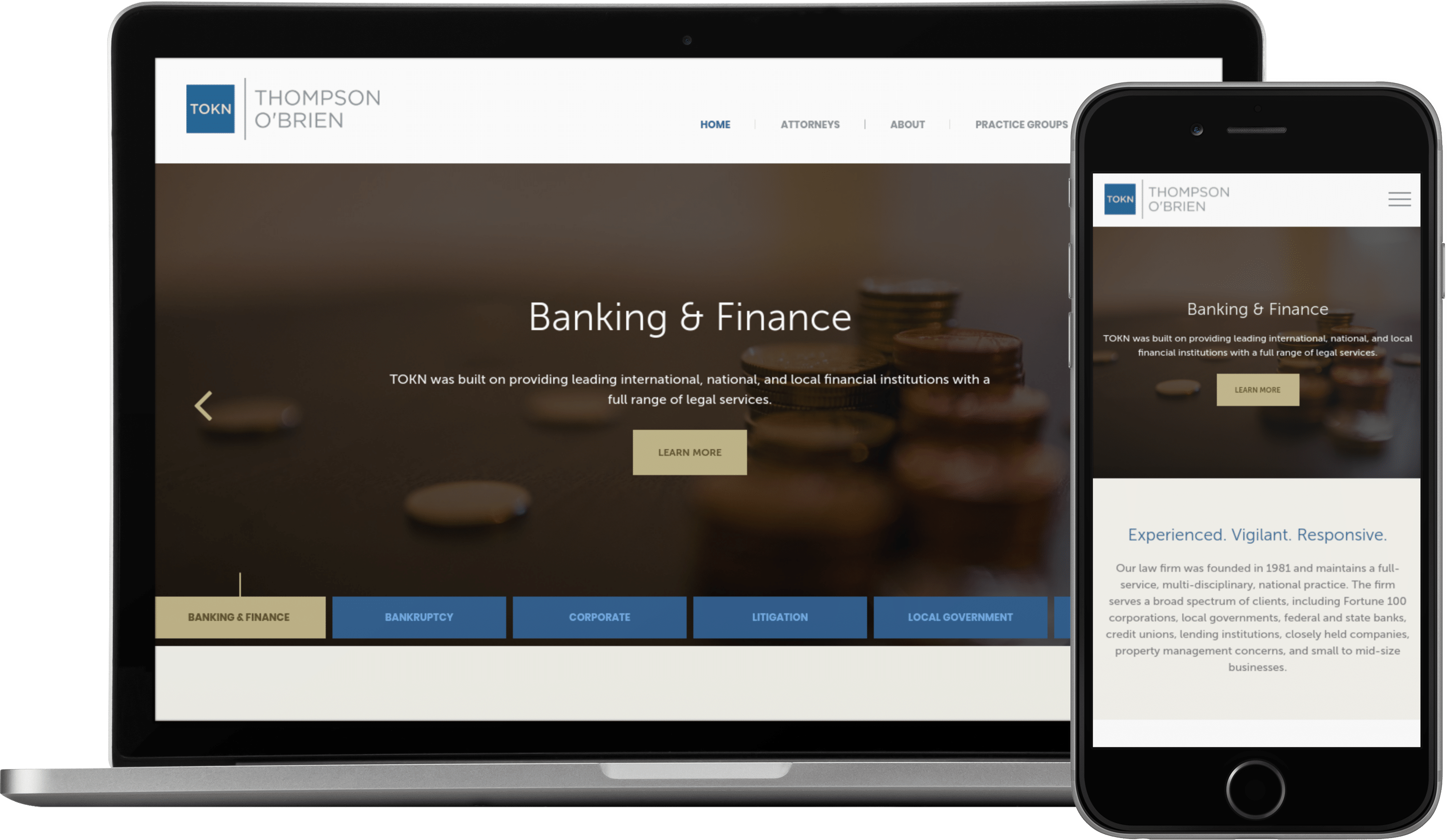
Cartoon graphic of various devices showing responsive web design attributes on each screen.

Enter responsive design.

Responsive web design gives your site the flexibility to perform equally well across any device that’s at your customer’s fingertips, and it helps your website keep pace with the rapidly advancing technology of digital devices.

Google Influences the Importance of Responsive Web Design

Having a responsive website has always been an advantage, but with Google’s recent changes in their algorithm, not having a responsive website can tank your digital success. As more users are accessing the internet through mobile devices, Google has stepped up and set the bar for providing the ultimate level of user experience no matter what device someone is on.

Recent changes in Google’s algorithms include many aspects that can affect your SEO, but one of the most important is their focus on mobile first ranking. What this means is that Google will crawl and index mobile sites before even thinking about paying attention to outdated sites optimized for desktop devices only. It’s not that those sites won’t get ranked, but with so much focus on mobile first, you can count on them getting left in the dust.

The solution for your business is in responsive design web development. Let’s face it, the need for websites to be functional across multiple devices isn’t going anywhere so why not do what you can to adapt to the changes and provide your business with the tools it needs to survive in the changing digital landscape?

Web Design Agency

We’re the website design company that can quickly transform your website into a high-ranking performer that’s optimized for generating leads and influencing conversions.

Contact us today and let’s talk about what our web design company can do to improve your online presence in a digital world.

3 Web Design Strategies for Better Lead Generation

Your website performs many functions. You could even say it’s a jack of all trades. A great website design should serve as a traffic magnet, a positive first impression of your brand, an efficient lead generation tool and effortlessly move customers along your sales funnel. There’s a lot that goes into web design, but with so much going on businesses sometimes forget about the end goal – conversion.

How Web Design Can Turn Leads Into Conversions

One study provided evidence of something we’ve always suspected. The majority of first-time visitors to your website, 92% in fact, aren’t there to make a purchase. They might be there because your content lead them there or your site appeared in their search results. Either way, if you’re new to them, chances are pretty slim that they’re going to convert on that first meeting. However, is there a way to lead more of your visitors to the point of conversion?

Yes, but it demands a change in the mindset that your website is there to serve only as a lead generator and to take the necessary steps to turn it into a conversion machine.

Your Web Design Has to Look the Part

Consumers are more likely to invest their money in brands that give off a professional image. One study conducted by Stanford University credibility experts noted that nearly half of consumers base the credibility of a business on the overall visual design of their website.

To understand the importance of professional web development, let’s imagine this scenario for a brick and mortar location. A customer who has never had any previous experience with a business walks through their door. They see a location that’s poorly put together, dimly lit, outdated and it’s difficult to find what they’re looking for. Now, that same customer walks into another business that looks modern, professional and finding what they need is practically effortless.

Which one do you think they’ll give their money to?

Web design works the very same way. One of the most important things you can do to for a website that converts is to look the part of a professional with a modern design that works seamlessly across any device.

Familiarize Yourself with Hick’s Law

Hick’s Law is a theory that says the time it takes a person to make a decision is directly proportional to the number of choices they have. It’s a common thought that consumers appreciate lots of options but providing too many can be negatively impacting your conversion rate.

The problem is that too many choices extend the decision-making process to the point that the consumer becomes hesitant about what they want, or they decide to look at other options. You can simplify this process by limiting the number of choices in any given menu. For example, if you sell decorative pillows, set up the display menu so that it provides the visitor with only a few options at a time rather than displaying every single one of your offerings at once.

Remember Your Target Audience

The initial goal might be to generate as much traffic as possible to your site, but once a visitor arrives, they should be immersed in an experience that’s tailored to them. Going too general with the design or your website or the content contained on it can stop conversion in its tracks. Pick your niche audience and design with them in mind.

Hire an Web Design Expert

If you’re ready to see experience more conversions, our web design team can help you get there. Our web designers and web developers are experts at creating an online experience that turns website traffic into conversions. Contact us today to get started.

Why Your Visual Branding Is More Than Just Your Logo

You’ve done it – you’ve finally started the business you’ve dreamed of for so long, and now it’s time to decide how you want to present it to the world. A logo is a natural first step in creating your company’s image. So you hire a designer, and at the end of a process end up with a logo you love.

But where do you go from there? Is it enough to slap your logo into social media profile pictures and onto your company stationary? My emphatic answer is no. Your hard-worked-for business deserves recognition, and a logo is only a piece to the puzzle – branding and visual identity encompass so much more.

First things first, what is branding?

Branding is anything that shapes how your business is viewed by your customers. Its basic purpose is to show consumers what you offer and what makes you different from your competition. It’s how you form emotional connections to create lifelong customers and communicate your values. In reality, it stretches far beyond anything purely visual – it’s also advertising copy, pricing, services, store environment, employee attitudes, communication skills, target markets, and so many more things. But seeing as I’m a graphic designer, I’ll focus on the visual aspect of branding, known as visual identity, and leave the rest to someone else.

What is visual identity?

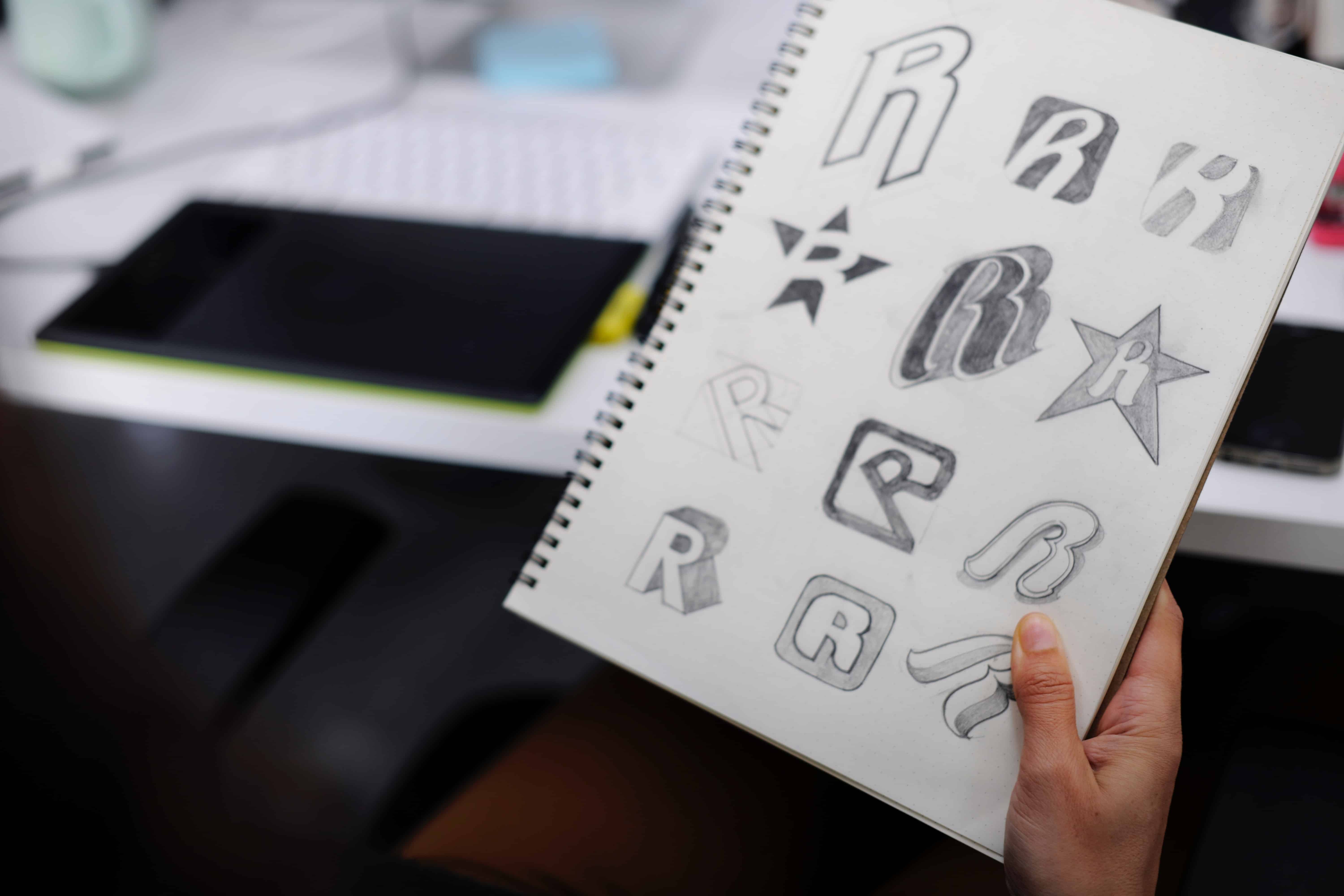
Whether you’ve thought about it or not, your brand has a visual identity. A visual identity is, simply put, any visual aspect of your branding. Your logo is certainly an important part of this, but it also includes things such as photography, typography and fonts, patterns, icons and other graphics, color schemes, and other creative design aspects. Whether it’s an expertly created infographic or an ad thrown together using ClipArt and Microsoft Word, the visuals you put out into the world say something about your business. These things all contribute to the connections your customers make with your brand.

What are the effects of a strong visual identity?

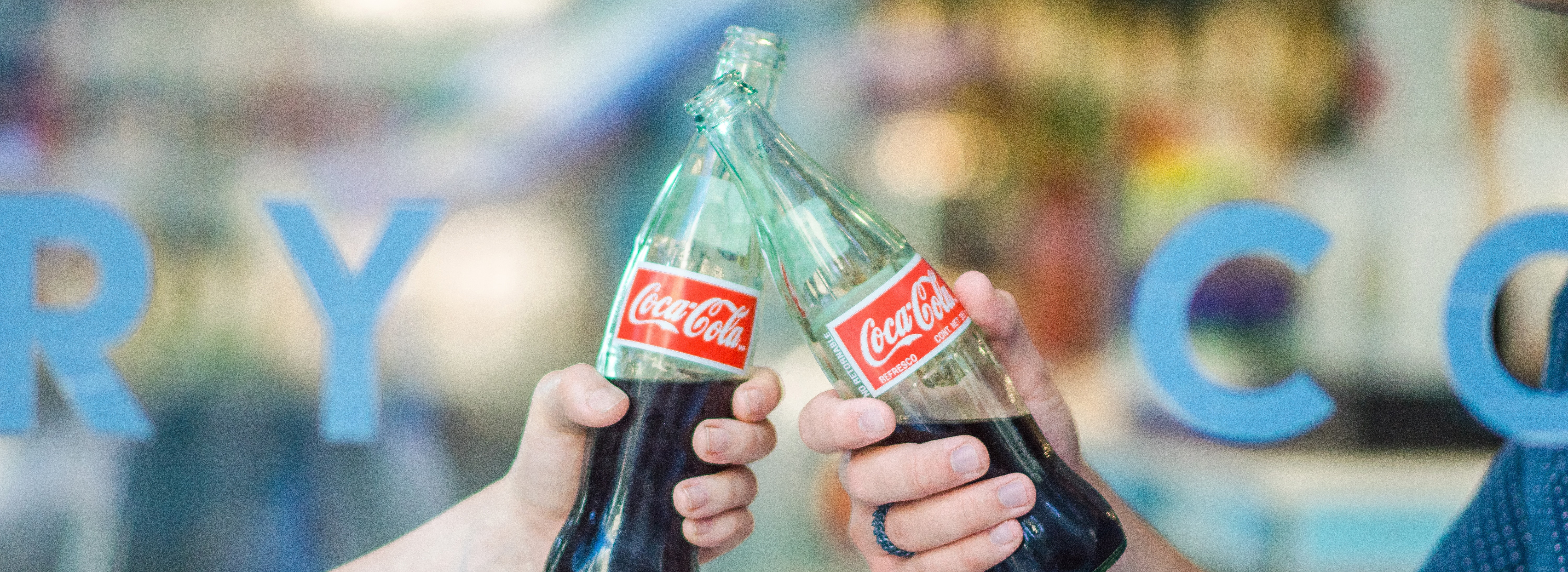
If you think about hugely successful companies such as Coca-Cola, you can see this concept in action. Not only do you know the company’s logo, but you also can recognize its other visual branding anywhere. When you see a Coca-Cola ad, whether in print or digitally, you know it’s a Coca-Cola ad. This is no happy accident – it is the result of over 100 years of intentional and consistent branding and visual identity. The company’s use of its recognizable red color, fonts, and images of happy smiling people all point consumers to the company’s overall ‘happiness and sharing’ values that have made Coca-Cola so well-known and loved.

This is just one of many examples of the immense power that visual branding has to influence how consumers think about brands. Coca-Cola is viewed often in these positive ways because the company has established a visual identity and stuck with it. This is the basis of why thinking about your business’ visual identity is so important, beyond just your logo. It communicates what your customers can expect from you. An inconsistent visual identity can mark your business as unreliable, whereas a consistent and well-planned one will help establish it as trustworthy and dependable – no matter how striking the logo.

Tips for creating a strong visual identity for your business

Start with your clients and messaging

First, you will need to have a deep understanding of who your target market is and what you want to say to them. Moving on from there, you need to ensure that your visual branding matches the feel and tone of voice of what you want to portray to consumers, so it’s important to get that established before any design begins.

Hire a professional

Effective visual branding can be very difficult if you have no experience, so enlisting the help of a good professional agency or individual can be essential to nail down the best approach. Having the assistance of a professional will help make sure your visual identity backs up the tone of your business and message while maintaining beautiful aesthetics.

Become inspired

Collect ideas and examples from other companies. Take notes and save examples of what you like, and just as importantly of what you don’t like. These notes will be extremely helpful in deciding on your visual style, as well as helping any hired professional to understand your goals and desires.

Create a brand style guide

A brand style guide is a reference document that outlines how the visual aspects of your business’ branding are to be used. This document helps you to maintain consistency in your visual branding across departments and employees. The portion of a brand style guide that deals with visual identity can range from very simple to very specific, but usually include things such as:

  • Logo variations & use
  • Color palettes & color codes
  • Use of typography
  • Imagery

Looking for some help?

Our team here at Double Up Digital can assist you in creating a cohesive and effective visual identity for your business. Whether you’re seeking a brand new visual style or simply trying to update your current one, we are here to help. Contact us today to learn more about our services.