How to Choose the Right Web Design Agency in 2023

Choosing the right web design agency in 2023 can be a daunting task, especially if you’re not familiar with the industry. With so many options available, it can be difficult to know which agency is the best fit for your business. In this article, we’ll go over some tips to help you choose the right web design agency for your needs.

Determine Your Needs

Before you start your search for a web design agency, it’s important to determine what your specific needs are. Are you looking for a simple brochure-style website, or do you need something more complex, like an e-commerce platform? Do you need a website that’s optimized for mobile devices, or one that incorporates video or animations? Knowing what you need will help you narrow down your search and find an agency that specializes in your particular requirements.

Look at the Agency’s Portfolio

A web design agency’s portfolio is a great way to get a sense of the kind of work they do and their level of expertise. Look at their past projects and see if they have experience creating websites similar to what you’re looking for. Pay attention to the design and functionality of the websites in their portfolio, as well as the industry they tend to work with. You should also check to see if they have case studies or testimonials from satisfied clients, which can give you a sense of the kind of service you can expect to receive.

Consider the Agency’s Process

Every web design agency has its own process for creating a website. Some agencies may take a more collaborative approach, where they work closely with you to understand your needs and goals. Others may take a more hands-off approach, where they handle the design and development, and then present the finished product to you for review. Consider which approach you prefer and look for an agency that aligns with your preferred process.

Review their Past Performance

When searching for a web design agency, it’s also important to review their past performance. A good way to do this is to look at their website, particularly the “About Us” section and their team member profiles. Look for information about their experience, specializations, awards, and professional affiliations. This will give you a sense of their level of expertise and whether they have the skills and experience to create a high-quality website for your business.

Think About Your Budget

Cost is always a factor when choosing a web design agency, and it’s important to set a budget before you start your search. Be realistic about how much you can afford to spend, and remember that the cheapest option may not always be the best choice. When looking at the cost of a web design project, keep in mind that the final price will depend on the complexity of the website, the features you require, and the length of the project.

Assess their Technical Capabilities

While a web design agency’s portfolio and past performance can give you a good idea of their design and development skills, it’s also important to assess their technical capabilities. Make sure the agency you choose is well-versed in the latest web design technologies and can create a website that’s optimized for speed, security, and SEO. You should also check to see if they are familiar with the content management system(CMS) of your choice.

Check for the Support & Maintenance

Website development does not stop after launch, to get the best from your website over time, it’s crucial to have an agency that provides support and maintenance services. A web design agency that offers ongoing support and maintenance can help you keep your website up to date, fix any bugs or issues, and make sure your website is always performing at its best. This is especially important if you plan to add new features or updates to your website in the future. When considering a web design agency, be sure to ask about their support and maintenance options and whether they offer ongoing updates and maintenance services as part of their package.


Choosing the right web design agency in 2023 requires careful consideration. By taking the time to determine your needs, looking at the agency’s portfolio and past performance, considering their process and technical capabilities, and being mindful of your budget and support and maintenance needs, you can make an informed decision and select an agency that can create a website that is perfect for your business. Remember that finding the right web design agency is an investment in the success of your business, so take the time to do your research and choose an agency that will work well with you to create a website that meets your goals and exceeds your expectations.
How Partnering With A Creative Web Agency Can Help Your Business Gain Traction

In today’s digital age, having a strong online presence is essential for any business looking to gain traction and increase its customer base. A website is often the first point of contact for potential customers, and it needs to make a good impression. This is where a creative web agency can help. By partnering with an experienced agency, you can ensure that your website is designed and developed to the highest standards, helping your business stand out in a crowded marketplace.

Here are a few ways that partnering with a creative web agency can help your business gain traction:

  1. Professional Web Design

One of the main benefits of working with a creative web agency is that they have the experience and expertise to create a professional-looking website. A well-designed website can make all the difference when it comes to attracting and retaining customers. A creative web agency will be able to create a design that reflects your brand, while also taking into account the user experience. A well-designed website that is easy to navigate will keep visitors on your site longer, increasing the chances of them becoming customers.

  1. Search Engine Optimization (SEO)

Another important aspect of having a strong online presence is ensuring that your website is optimized for search engines. A creative web agency will have the knowledge and experience to ensure that your site is optimized for SEO, making it more likely to appear at the top of search engine results. This can lead to more traffic to your site, which in turn can lead to more customers.

  1. Content Marketing

Content is king, and a creative web agency will be able to help you create a content marketing strategy that will help your business gain traction. Content marketing is all about creating valuable and engaging content that will attract and retain customers. A creative web agency will be able to help you create blog posts, infographics, videos and more that will help you reach your target audience and establish yourself as a thought leader in your industry.

  1. Social Media Marketing

Social media is a powerful tool for businesses looking to gain traction and increase their customer base. A creative web agency will be able to help you create a social media marketing strategy that will help you connect with your target audience and increase your reach. They will be able to help you create engaging content that will generate buzz and drive traffic to your website.

  1. Analytics and Reporting

An important aspect of any digital marketing strategy is the ability to track and analyze the results. A creative web agency will be able to set up analytics on your site and provide regular reports on your traffic, conversions and more. This will help you see what’s working and what’s not, allowing you to make informed decisions about your marketing strategy.

In summary, partnering with a creative web agency can help your business gain traction by providing professional web design, SEO, content marketing, social media marketing and analytics. A web agency will have the expertise and experience to create an effective digital marketing strategy and help you reach your target audience and increase your customer base.

What is Gatsby and Why Should Business Owners Care?

As a business owner, you understand the importance of having a professional and well-designed website that can attract and retain customers. Your website is often the first point of contact for potential customers and can play a crucial role in the success of your business. However, with so many different options available for building a website, it can be difficult to know which one is the best fit for your business.

One option that is gaining popularity among developers and businesses alike is Gatsby. Gatsby is a free and open-source framework that helps developers build fast, secure, and modern websites and web applications. It is based on React, a popular JavaScript library for building user interfaces, and it uses GraphQL, a powerful query language for querying data from different sources.

The Benefits

But why should you as a business owner care about Gatsby? Here are a few key benefits to consider:

Speed and Performance

In today’s fast-paced digital world, website speed and performance are more important than ever. Gatsby is designed to be fast and performant. It uses advanced techniques such as code splitting, lazy loading, and prefetching to ensure that only the necessary resources are loaded and that they are loaded as quickly as possible. This means that your website will load quickly, even on mobile devices or with poor internet connection. This can improve the user experience and ultimately lead to higher conversion rates.

Security

Data security is of the utmost importance for any business. Gatsby is a static site generator, which means that there is no backend or database to hack into. This makes it a very secure option for building websites and web applications.

Easy to Scale

As your business grows, so too will the traffic to your website. Gatsby websites are very easy to scale. Because the site is generated as a set of static files, it can be easily deployed to a CDN (content delivery network) and served to users from a location that is closest to them. This ensures that the site loads quickly for users, no matter where they are in the world and can handle the increasing traffic to your site

Flexibility

Gatsby is built on top of React, which means that developers can use all the features and benefits of React when building your website. Additionally, Gatsby also supports many different data sources, such as CMSs, APIs, and databases, which means that developers can easily integrate your existing data into your Gatsby site.

SEO

Gatsby’s fast loading speed and performance can improve your website’s SEO. Google has indicated that site speed is a ranking factor, so a faster website can help improve your search engine ranking. Gatsby’s code splitting and lazy loading techniques ensure that only necessary resources are loaded, which can further improve your website’s loading speed and performance.

Additionally, Gatsby’s static site architecture can make it easier for search engines to crawl and index your website’s pages. Since Gatsby generates static HTML files, search engines can more easily analyze and understand your website’s content. This can help improve your website’s ranking in search engine results pages and increase organic traffic to your site.

How We Can Help

Gatsby is a powerful and flexible framework for building fast, secure, and modern websites and web applications. As a business owner, it’s important to understand the benefits of Gatsby and take them into account when choosing the framework for your website.

If you’re looking to have a website built by an agency, Double Up Digital is the best partner for your Gatsby website. Double Up Digital is a reputable agency that specializes in Gatsby development, and we have a proven track record of delivering high-quality, fast and performant websites that meet the unique needs of each business. Our team of experienced developers are well-versed in the latest technologies and best practices in Gatsby development and can ensure that your website is built to the highest standards.

Don’t hesitate to reach out to discuss how we can help you take your business to the next level with a Gatsby website. We will be happy to provide you with a free consultation and a quote for your project.

4 Best E-commerce Sites for Growing Businesses

While consumers are doing more and more of their shopping online, they haven’t lost the desire to be wooed by a stores presentation. Today, this means more than just some fancy product photography. E-commerce retailers need to create a user experience that delivers a captivating visual presentation while also enhancing the overall shopability of their sites. In this blog, we’re identifying the best e-commerce sites for growing businesses to boost their online sales and in-store traffic.

The Best E-Commerce Sites

For e-commerce web design, the platform you choose can make all the difference in the success and scalability of your business. Today, there are few different e-commerce web hosting solutions that stand out from the pack. Here are a few of our favorites.

Shopify

Shopify is probably one of the most widely known e-commerce solutions and as a result, one of the most trusted. That said, their reputation as an e-commerce leader isn’t unwarranted. Shopify seems to be the gold standard when it comes to providing smaller businesses with everything they need to build a successful e-commerce presence.

Shopify is simple to use, which is another plus. Practically everything from claiming a domain name and designing your logo, to access to an extensive library of stock photography to enhance your pages can be done from the Shopify site. Shopify’s pricing structure is also relatively affordable, even for businesses just starting out of the gates.

Magento

For retailers who are more established, Magento is one of the top e-commerce web hosting platforms. Magento is where some pretty big players in the world of e-commerce come to build and power up their digital stores.

This might sound a little intimidating for smaller businesses, but Magento has plenty to offer for any size business that’s serious about their e-commerce game. While their software is free to download, you’re likely going to need the help of a web design pro to turn it into something special. The reason that Magento is more targeted towards established e-commerce operations is that their themes and extensions can be costly, but ultimately worth it if you have the budget.

WooeCommerce

WooCommerce has the advantage of being an e-commerce solution that’s built on WordPress, which happens to host about a quarter of sites on the internet. This fact alone makes it a popular choice for growing e-commerce operations.

WooCommerce also has expansive options for extensions – hundreds of them to be exact. They cover everything from shipping and payments, to streamlining your e-commerce marketing efforts. All of them can be yours with nothing more than a click. The platform also offers a decent range of customizable options to help your store stand out online. Double Up Digital has been ranked DesignRush as Top WooCommerce Developers.

3D Cart

3D Cart is an online store builder that makes it effortlessly simple to add an e-commerce website directly to your existing business site. The appeal of 3D Cart is that it requires so little in terms of web development skills that practically anyone can hop and be live within a day. 3D Cart also shines with it’s high-quality blog features to help promote your e-commerce business and above average business management tools.

Let Us Help You Build Your E-commerce Business

E-commerce web hosting is just one of many facets of building your e-commerce business. There’s absolutely no reason you need to handle all this on your own when the digital web development experts at Double Up Digital are here to help. Whether you’re a new e-commerce business, or interested in leveling up your web design, we’re here to help. Get in touch with Double Up Digital today to learn more.

4 Skills to Look For in a Top Notch Web Designer

Building or redesigning your business website can be a huge undertaking. True, there are some reputable DIY web design platforms that make it look incredibly easy but these sites often fall short when it comes to creating websites that meet the demands of SEO and the modern consumer’s digital preferences. At the end of the day, there’s an incredible amount riding on the look, usability and overall performance of your website design. Hiring an expert web designer is crucial to executing your digital needs.

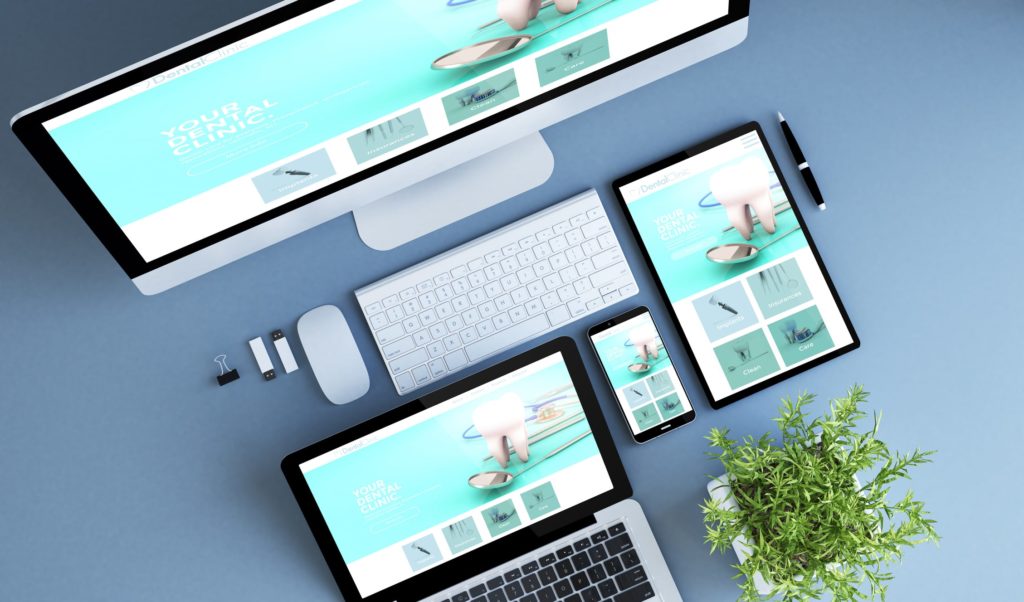
Various electronic devices showing responsive web design.

Must-Have Web Designer Skills

Often, the best plan of action is to place the task of web development in the skilled hands of a professional web design company. The only problem is that it can be difficult to determine which top custom web design companies offer the most experience, the highest level of service and are best suited to meet your needs. To help you with this challenge, here are 4 important skills to look for when hiring a web designer in 2019.

Technological Expertise

There’s an obvious tech-related skill set that web designers need to have to perform the basic functions of their job. It should be immediately obvious when a web developer doesn’t have a working knowledge of coding and programming languages because they’re going to fall short on meeting your expectations on just about every other level.

Website designer working on programming and coding in an office.

That said, you do want to make sure that your web designer has continued to grow their tech skill set throughout the lifetime of their career. If you’re working with a website design company, ask what the vetting process is for their web designers and ask them pointed questions about how they incorporate the latest technological advancements in their web design.

Industry Awareness

You’ve probably noticed in your own experience that different types of businesses have success with various types of web design. For instance, a website for a law firm is going to look and function entirely different than an e-commerce site for a natural skin care line.

It’s important that your web designer be able to develop a website that meets your target audience’s needs and expectations. Ask to see a portfolio or examples of their work across several different industries, then ask questions to help you determine if they really understand the online behaviors of the customers you’re looking to attract.

Understanding of User Experience and the Customer Journey

Today, user experience (UX) and tailoring your web design to enhance the customer journey are crucial to the success of your business on many levels. If you have the opportunity, explore some of your web designer’s work on your own. Is the site easy to use and does it encourage interaction and future visits? If you’re not inspired to come back, chances are your visitors won’t be either.

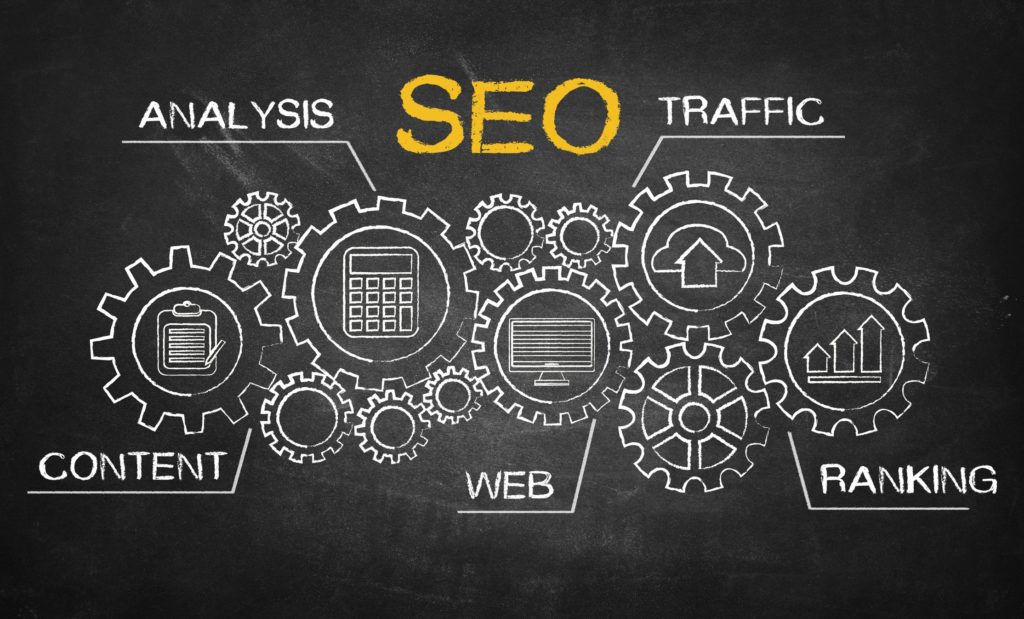
SEO basics written down on a blackboard.

SEO

A great deal of the effectiveness of your SEO strategy is tied into your web design. Your web designer absolutely needs to understand search engine optimization and the elements of web development that play into it. Many website design companies have a solid foundation of knowledge in SEO; however, you’ll want to make an effort in asking them how their design work ties into SEO principles.

Expert Web Designers & More

Is it time to reinvent your online presence with a new website for your business? Double Up Digital has the team of web designers that can help you meet your business goals. We are recognized as a Top Website Design Company on DesignRush. Get in touch with us today and speak with one of our professional web developers today.

5 Tips For Giving Great Design Feedback

As a client, your involvement can make or break the design process. While you might not be hands-on in the creation of the design itself, your feedback is an important part of making a project successful. You know your company and clients better than anyone, and your designer knows how to take your knowledge and create a great design with it. In this working relationship, positive communication and feedback is key. So, if creating a great project is all about great collaboration, how do you ensure your feedback is beneficial to the process? Here are a few tips:

1. Get Specific

Nothing is more difficult for a designer to decipher than vague language – feedback such as “make it look better” or “I don’t like it” don’t help solve the problem, but rather cause confusion. They don’t provide any direction or guidance for the designer to find an efficient solution. Instead, take some time to try to figure out what it is you don’t like about the design. Is it the colors, the fonts, the composition, the images? Is it too busy or too dull? To avoid ambiguous language, use more specific feedback such as “the images need to feature semi trucks as opposed to delivery vans.” You’ll find your perfect design will be brought to life much faster.

2. …But Don’t Take Over The Designer’s Job

When a design doesn’t come out as expected, it can be very tempting to try to create a version yourself. However, your job in the design process is not to become the designer yourself or tell the designer what to do, but to ask questions and communicate your ideas in a collaborative way that will enhance the process for both sides. Discuss the ways you think the design could be improved upon rather than attempting to recreate the design yourself – communicate what you need, not how to fix it. A good designer will listen to your ideas and incorporate them into the design, but will also have the know-how to implement them in a user-friendly and aesthetically pleasing way. You’ve hired this designer because you trusted them with your project, so give them the freedom to come up with effective solutions. They are on your side!

3. Provide Examples

Unless you’re familiar with design lingo, it can be difficult to communicate in words what you’re picturing in your head – so show us instead! Providing examples is very helpful for your designer to get an idea of what you’re looking for. Search the internet to find links, images, or screenshots of what appeals to you. Do your best to explain what it is that draws you to these examples so that your designer can integrate that into their work.

4. Make It A Conversation

Good graphic designers have reasons for what they do and have probably put a lot of thought and planning into what they have created for you. Hear them out – assume the best in their intentions and allow them the opportunity to explain how they think their design will be beneficial to you. They might have a perspective that your experience hasn’t allowed you. That said, you most likely know your business and customers better than your designer does. If you still disagree with them after listening to their logic, explain how your ideas will improve the design. Designers want to know why their design wasn’t effective so that the next go around they can create a more impactful design.

5. Keep It Organized

Keeping your feedback organized and structured will help avoid confusion, especially if you have a lot of notes. Generally, placing your feedback in bullet point lists is a great way to clearly separate revisions from each other. Also, if possible, separate your notes with headings to add context. For example, if you have revisions on the About Us page of a website design, add all your comments for that page in bullet points under a heading titled “About Us page.” This will help the designer to quickly find and address the problems you’ve found.

Also, be sure to consolidate all your notes together in one place. Revisions from multiple people within your company should be merged together in one location, such as a single email, a Word document, or a Google Doc. This will help ensure that nothing gets missed or overlooked in the revision process.

Many design agencies have already implemented a revisions process within their overall design process. Adhering to these guidelines will ensure that your project stays organized and on track.

Let’s Get Together

In the end, the success of a design project relies on your designer – and you. Your feedback guides and shapes the end product, so you are an integral piece of creating a great partnership and a great design. Next time you begin a project, make sure to put these tips to action and see what remarkable things are created.

Our design team here at Double Up Digital can help bring your next project to life. Let’s collaborate! Get in touch with us today to learn more about our services.

How To Spot A Good Web Design Agency

Finding a web design agency to create your brand new website can be a daunting task, especially when your Google search for web designers brings up thousands of options to sift through. On top of this, there’s a huge variety of different skill sets and specialties, design styles, price ranges, and more that will affect how well you and an agency fit together.

So how do you make sure you hire an agency that will deliver quality goods? Ask questions. Knowing the answers to important questions will help ensure that you know your needs and can hire someone who understands and has the skills to resolve them.

Here are some questions to think about asking yourself or a potential agency before signing on as a client:

1. Does the agency have a working understanding of UX/UI?

Looks are not everything. Let me say it louder for the people in the back. While the aesthetics of your website are clearly an integral piece, if your website is unintuitive and hard to maneuver, it does not matter if it’s beautiful. If a user can’t find out how to do something or can’t find a product, there is no lead generated and most likely a customer lost. User Experience Design and User Interface Design (UX/UI) are a crucial part of creating a functional and user-friendly website that will help your business grow, so it’s important to know if a web design agency has necessary experience.

2. Does the designer’s style match mine?

I know I said looks aren’t everything, but they clearly do hold a lot of importance. Most likely what brought you to consider this agency is that you liked their portfolio, so this might not be an issue. But if you’ve come for another reason, it’s worth a look to make sure their design style aligns with what you’re looking for.

3. Has my communication with the agency thus far been clear and reasonably quick?

It’s important to make sure that the agency is going to be professional and easy to work with. Likely there will be a lot of back-and-forth as things are tweaked and changed, and you will need an agency that listens to and values your opinion. Effective communication skills will make the web design process move smoothly and will make it more enjoyable for everyone involved.

4. Will the agency also develop my website?

If you’re looking at a web design agency, the likely answer to this question is yes. However, it’s still necessary to ensure that the agency’s developer is up to the task, so if you are unsure ask for examples of their work. If you’re looking for a high-tech website that has things such as parallax scrolling, sticky headers, icon animation, or similar things, it’s important to know if an agency has the right skill sets.

If the agency does not offer website development services, make sure that you will end up with design files that can be used by a different developer (most likely PSD, AI, or Sketch files).

5. Are any digital marketing services included in the new website if it’s being developed by the agency? If not, what are the additional costs?

There are a lot of digital marketing techniques that will help your website be more effective. Things such as Search Engine Optimization (SEO), Conversion Rate Optimization (CRO), analytics & reporting, and more will help your website appear in more searches and generate more leads. Plus you will be in-the-know on how much these methods are working.

6. Does the agency have a copywriter available if new content needs to be created?

If your website content is either nonexistent or needs to be updated, it can be very helpful to enlist the help of a copywriter. A copywriter specializes in creating quality content that adds value and increases your website’s searchability on search engines.

7. Does the designer or agency’s pricing align with what you want to spend?

Obviously, the price of the website is an important consideration and can range from very cheap to very expensive. While I would generally recommend not skimping on cost in order to get a quality, lasting website that will serve you faithfully, you also want to make sure the agency is not ripping you off. Make sure to look for the hidden costs of services that you want but that might not be included in the package.

8. What is the scope of the contract?

If you’re close to signing on with an agency, take a look at what the contract consists of. How many pages are included? How many revisions and changes are allowed? Will mobile and tablet versions be designed? What are the deadlines and timelines? Likely the agency has several different packages available, or they might price it out website by website. Be aware of what is included and what is not.

Get out there!

Your website is going to be one of your main points of contact with your customers, so it’s an important thing to get right.  By asking the right questions, you can be more prepared to weed out the agencies that are the wrong fit and find the one that is going to give you the website you’ve been dreaming about. Now go face that Google search list with confidence.


Looking to skip the search? We love talking with people about how we can help!

Creating a Successful Customer Journey Map in a Digitally Driven World

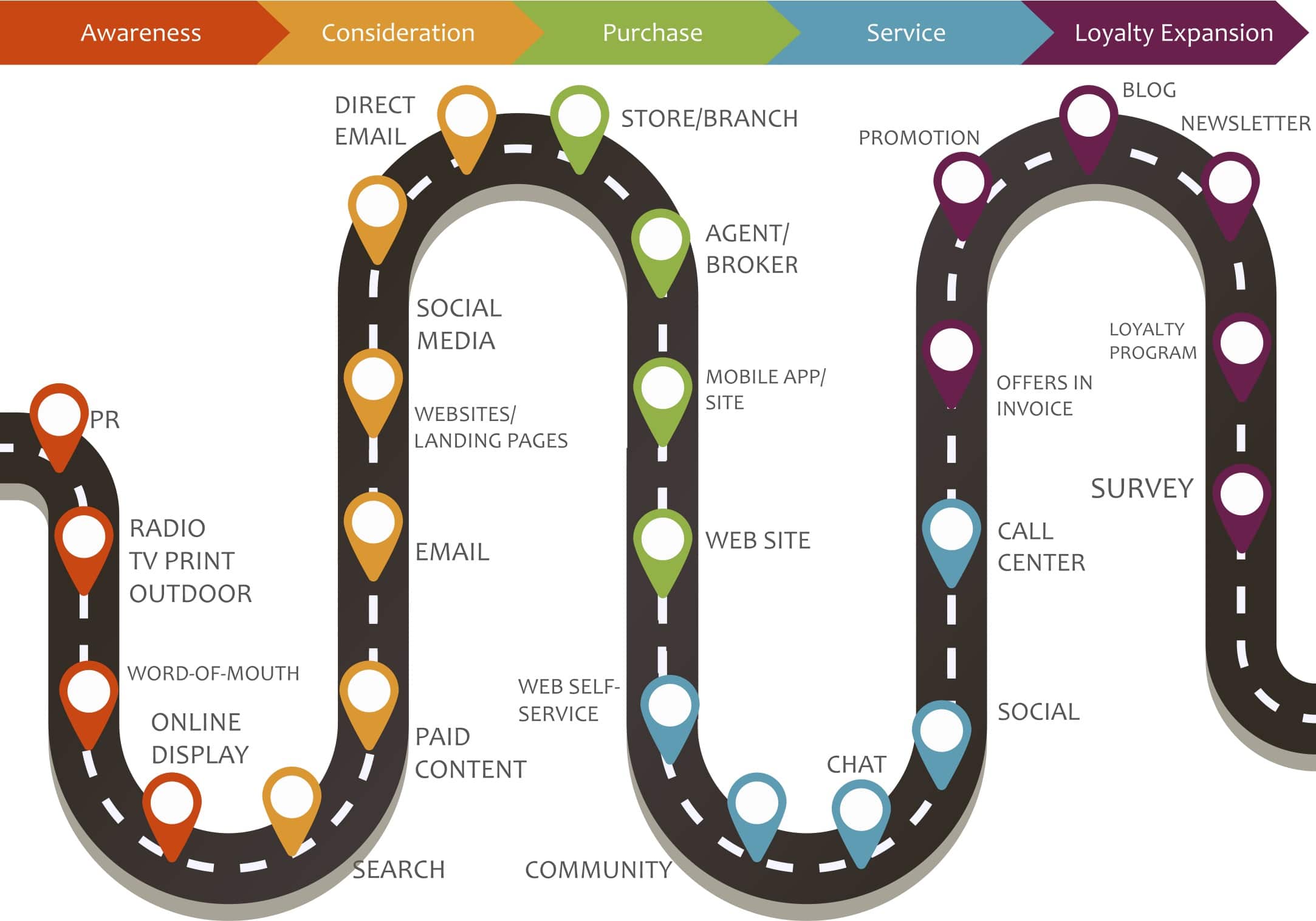
The customer journey map is an incredibly powerful tool for helping brands better understand their customers and improve their experience. It’s essentially a story of each of your customer’s journeys from the first point of contact through customer loyalty. The pinnacle of customer service is in providing tailored, relevant and personal experiences to your customers throughout their journey, and mapping can help you achieve it.

However, in an increasingly digital world, the art and science of mapping their journey has become more complex. There are multiple starting points, stopping points and ways of reaching out to them and the old rules don’t always apply. Here are a few tips for helping businesses like yours successfully map the customer journey in a digital world.

The Foundation of a Customer Journey Map

Everything has a beginning, including your customer journey map. Step one is to strategize about how to create a map that best illustrates your customer’s experiences and pain points along the journey while keeping in mind the digital landscape.

Secondly, you’ll want to look at your market as a whole and realize that they are not all the same. Your customers have different needs and motivations, will move along the journey at different speeds, take stops at different points and connect with you through various inbound marketing avenues.  In case you missed the key word here, it’s differentiation. Segmenting your audience according to the demographics and behaviors that influence their journey is key in a digital world.

Finally, don’t forget to have a clearly defined mission and customer service goals. Doing this is an important step in developing a digital marketing strategy – which is essential to moving customers along the path of their journey

Focus on Multiple Touchpoints

The customer journey, while relatively stable, is not set in stone and minor shifts should be expected. This means you have to be adaptable and always assessing if the current digital landscape is encouraging change in your customer’s path. It’s important to recognize that regardless of the path, there are almost always multiple points of entry, and you need to be able to capture and tend to the customer at each one. 

customer journey mapping

Additionally, there are also plenty of opportunities for them to venture off course. While you might think of these as separate journeys, your customer connects all of it together with your brand. In the digital world, you don’t want to think of the customer journey as a straight path from point A to the finish line, but instead a path with multiple touchpoints that provide you the opportunity to elevate your brand in the customer’s eyes.

Why an Internet Marketing Agency Can Help

Outlining your customer journey map is crucial for reducing customer service friction and keeping your focus exactly where it needs to be – on moving each customer one more step further along the path to conversion and loyalty. It’s a process that sounds simple but is incredibly complex.

Not being prepared to meet your customers needs and expectations is too risky in a digital world. By working with a digital marketing agency you can begin to understand your customer’s buying process and online habits in a way that will put you on a path to greater success. Contact us today and our team of experts can help you understand your ideal customer better than ever before.

4 Tips to “SMART” BPM

On a day to day basis at work, you may find yourself going through the same steps. Whether that is generating reports, creating a campaign, launching a website or any of the other processes that involve repetitive steps these meticulous steps must be accurate. Inaccurate processes lead to poor results. I think we can all agree that we have dealt with unhappy customers, missed deadlines or improper setup stemmed from errors in implementation. This is why it is so important to improve your processes by providing proper BPM (business project management.)

Fewer than one-third of projects are completed successfully within an organization. You are probably thinking to yourself that number is a very low statistic. Don’t fret, there is a solution! Having a project manager on your team is helpful, but a skilled project manager can reduce your expenses, help grow your business and streamline the workflow with established step-by-step methods.

Through my project management experience, I have created a solution to help others complete projects efficiently with complete transparency. Some call me a hero, others call me Jessica.

Implementing Your BPM

“If you only fix the symptoms, the problems will continue.”

1. Create timely and efficient goal setting.

You can do so by being SMART. SMART, also known as Specific, Measurable, Attainable, Realistic and Time-Bound. This can help keep your projects on time and ready without over exhausting employees.

2. Create step-by-step documentation of well-established actions of each department.

This could be for any procedure that requires repetitive steps. Also involved in this is separating your processes by creating formal and informal processes.

  • Formal processes consist of more critical steps that can affect the clients’ service you are providing
  • Informal processes entail a set of steps that help meet deadlines and notes needed to implement the formal processes

3. Scheduling internal meetings to help fine-tune each process.

Each department/employee has their own way of doing things, so why not take time with the people who implement their tasks to better understand the process. During the meeting, you should identify errors that led to poor results and discover at what point the project went wrong. Remember, processes that don’t work lead to numerous difficulties. For example:

  • Customer complaints on poor service or quality
  • Missed deadlines
  • Missed steps
  • Duplicated work due to lack of communication or improper steps
  • Employee frustration
  • Inefficient work
  • Loss of income

4. Input your processes into a project management system.

There are plenty of project management focused softwares that will help organize you and your team’s tasks. Here is a recommended list of tools:

Once you have input your processes it is essential to thoroughly walk through each one with each designated department.

In Conclusion

Effective business product management gives you the ability to accurately track completed work for a client, what’s outstanding, and even what was out of scope. Gone are the days of bending over backward just to find out you overlooked a critical task in a project. Once you have established your processes and act SMART there should be nothing in your way to delivering and achieving excellent BPM results!